

Medical history & assessment
We review your nail problem, medical conditions, medication, allergies and circulation, then discuss whether surgery is suitable.
The Ledbury Foot & Ankle Clinic
From routine nail and skin care to specialist assessments and advanced treatment options, our podiatry services are tailored to your individual needs.
Your first visit
A detailed assessment helps us understand your concerns before recommending suitable treatment. It is particularly valuable when symptoms are new, ongoing or affecting your daily activities.
What happens
We ask about your symptoms, health history, relevant medications, allergies and any previous treatment. Your podiatrist examines the feet and may assess circulation and sensation (a neurovascular assessment) where appropriate.
After the assessment
Findings, suitable treatment options and any need for further tests or referral are explained. When appropriate, treatment may be provided during the appointment.
Book an appointment →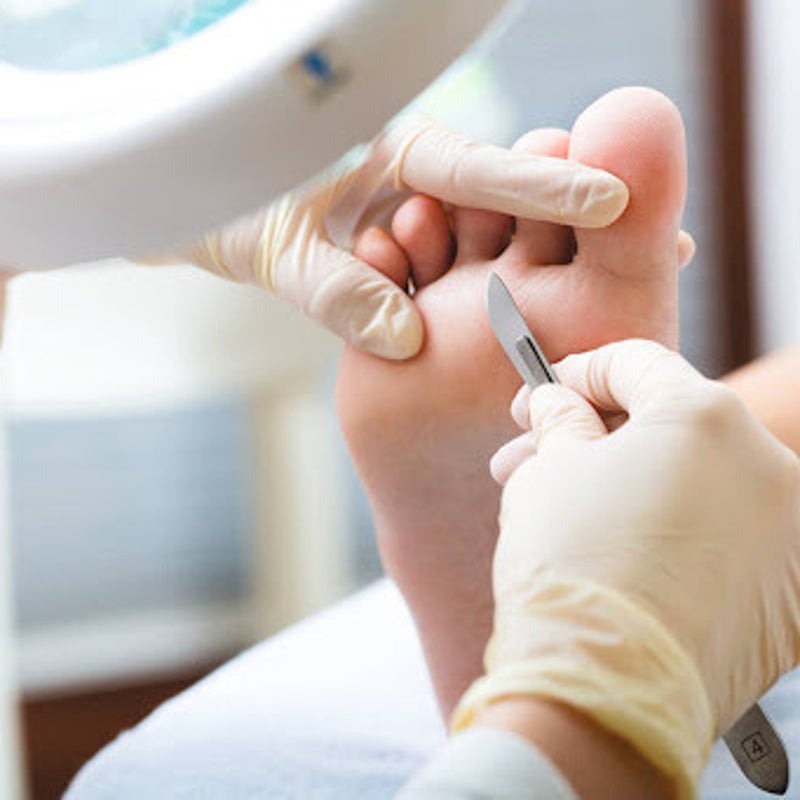
Regular foot maintenance
Routine podiatry helps keep nails and skin comfortable and can prevent minor problems becoming painful.
What happens
Following a brief discussion and foot examination, we can trim and file toenails, reduce thickened nails, remove corns and excess hard skin, and check any areas causing discomfort.
Aftercare
You may receive guidance on footwear, moisturising, nail care and how to reduce pressure on recurring corns or calluses. Treatment is adapted to your individual needs.
Book an appointment →Detailed treatment guide
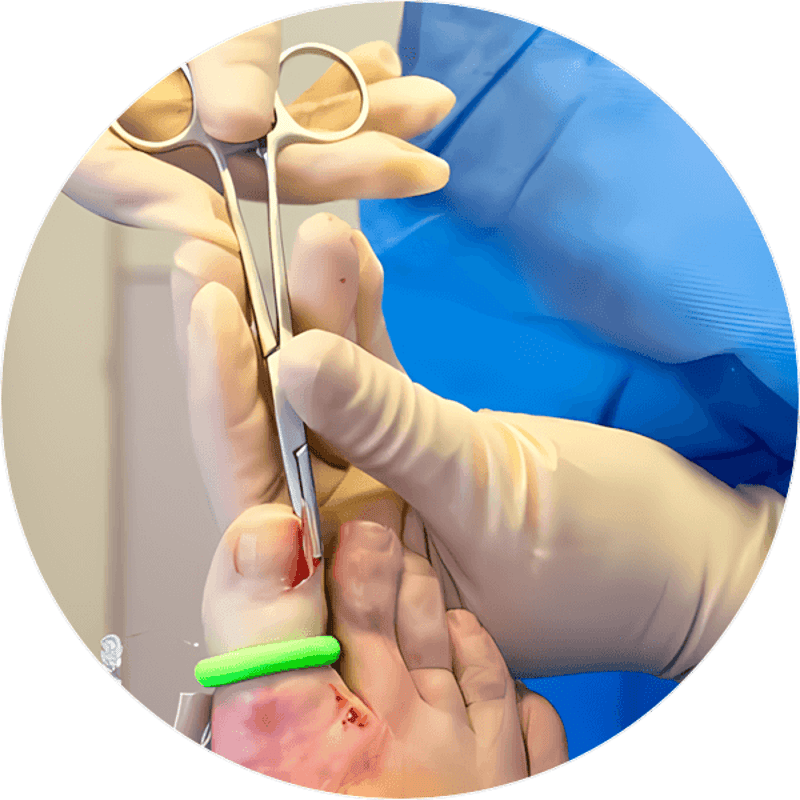
For recurring ingrown or painful toenails, minor nail surgery may provide longer-term relief when conservative care has not been suitable or effective. Your podiatrist will first assess whether surgery is appropriate for you.
Depending on the problem, part of the nail or the whole nail may be removed. Treatment to reduce regrowth may be discussed where appropriate.
We review your nail problem, medical conditions, medication, allergies and circulation, then discuss whether surgery is suitable.
The procedure, alternatives, benefits, risks and aftercare are explained. You can ask questions before signing a consent form.
Local anaesthetic is injected to numb the toe. We check that the area is fully numb before beginning.
The affected nail edge or whole nail is removed as agreed. A sterile dressing is applied and aftercare instructions are provided.
Four complimentary appointments are included to assess healing and change dressings. Exact dates are arranged to suit your recovery.
Initial assessment, four complimentary follow-up/redressing appointments and a complimentary dressing pack, as described on the clinic’s current Services and Fees pages. Additional appointments may be advised if healing requires them.
Healing times vary. You will receive individual advice on keeping the dressing clean and dry, resting after the procedure and when to seek help for increasing redness, severe pain, discharge or other concerns.
A choice of techniques
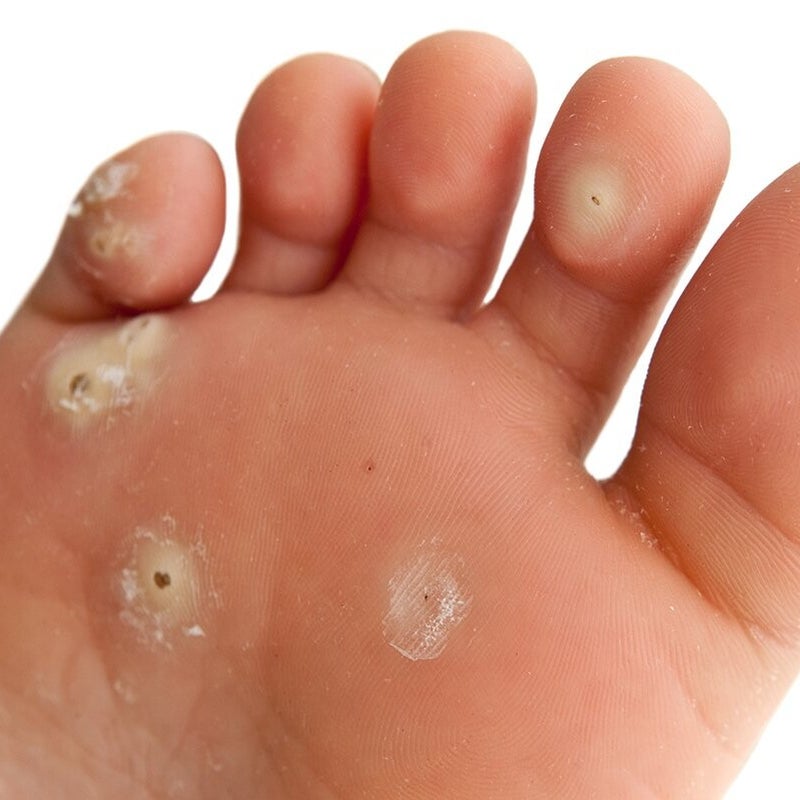
Verrucas are viral skin growths which may be uncomfortable, especially on weight-bearing areas of the foot. Not every verruca needs active treatment; options are discussed based on symptoms and assessment.
What happens
We assess the lesion and discuss suitable treatments, which may include topical acids, Verrutop, cryotherapy, needling or laser treatment.
Needling
For selected persistent verrucas, needling may be considered. The area is typically numbed with local anaesthetic first, and detailed consent and aftercare advice are provided.
Aftercare
Some approaches need more than one session. Response and recovery vary, and complete clearance cannot be guaranteed.
Book an appointment →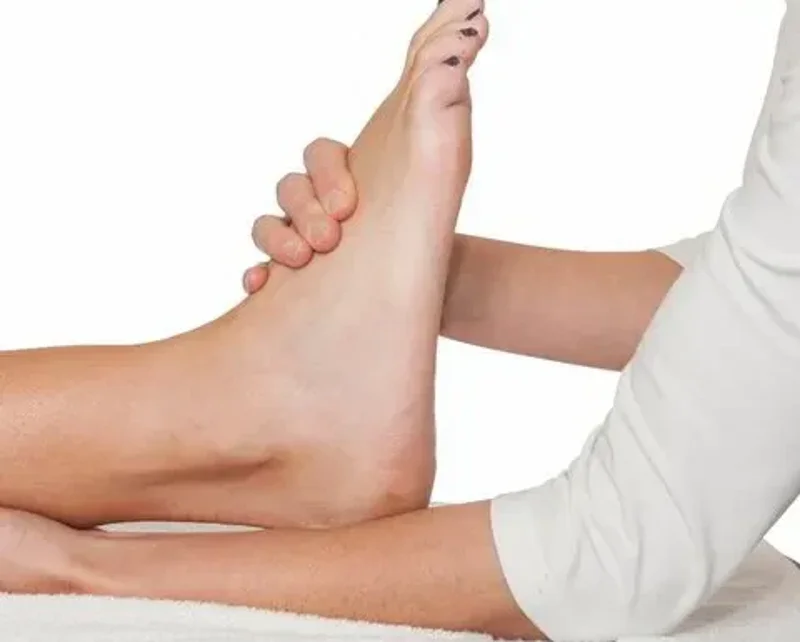
Understanding movement
A biomechanical assessment looks at how your feet and lower limbs move and distribute load. It can help investigate foot, heel, arch or ankle pain, as well as related walking or sporting difficulties.
What happens
Your podiatrist reviews your symptoms, previous injuries and activity levels, then may examine joint movement, strength, foot posture and how you walk.
Your plan
Recommendations may include footwear changes, strengthening exercises, activity modification, pressure relief or orthotic devices where appropriate.
Book an appointment →A newly generated orthotics image is supplied separately for you to upload to Webador.
Personalised foot support
Orthotics are inserts worn inside footwear to help support, cushion or change the way pressure is distributed through the feet.
What happens
After assessing your foot function and footwear, the podiatrist may recommend an off-the-shelf or prescribed orthotic, depending on your needs.
Fitting and review
We discuss how to introduce the devices gradually, check comfort and fit, and review whether adjustments or other treatment are needed. Orthotics are not necessary for every patient.
Book an appointment →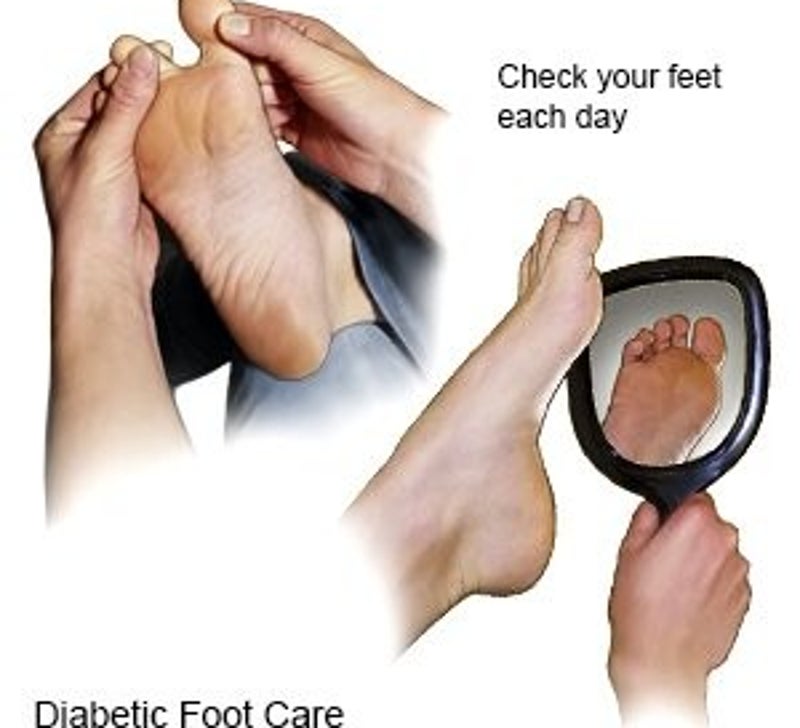
Preventative assessment
People living with diabetes may benefit from regular foot checks to help detect changes in skin condition, circulation and sensation early.
What happens
We review foot health, check the skin and nails, and may test circulation and sensation as appropriate. Routine nail care and safe treatment of calluses may be provided.
Prevention and referral
You will receive practical advice about daily foot checks, footwear and when to seek urgent medical attention. A concerning wound, infection or rapidly changing foot should be assessed promptly through the appropriate NHS pathway.
Book an appointment →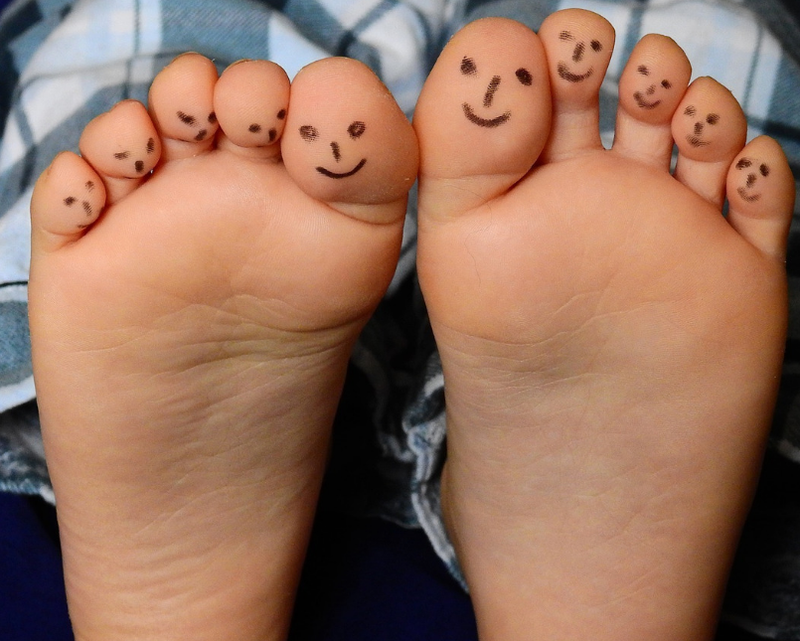
Growing feet
Children and young people can experience ingrown toenails, verrucas, sports-related discomfort, fungal nail concerns and changes in walking patterns.
What happens
A child-friendly assessment considers symptoms, footwear, activity and development. The podiatrist explains any findings and possible treatment in clear, age-appropriate language.
Treatment
Depending on the problem, recommendations may involve nail care, verruca management, advice on footwear or further gait assessment. A parent or person with parental responsibility should attend where consent is needed.
Book an appointment →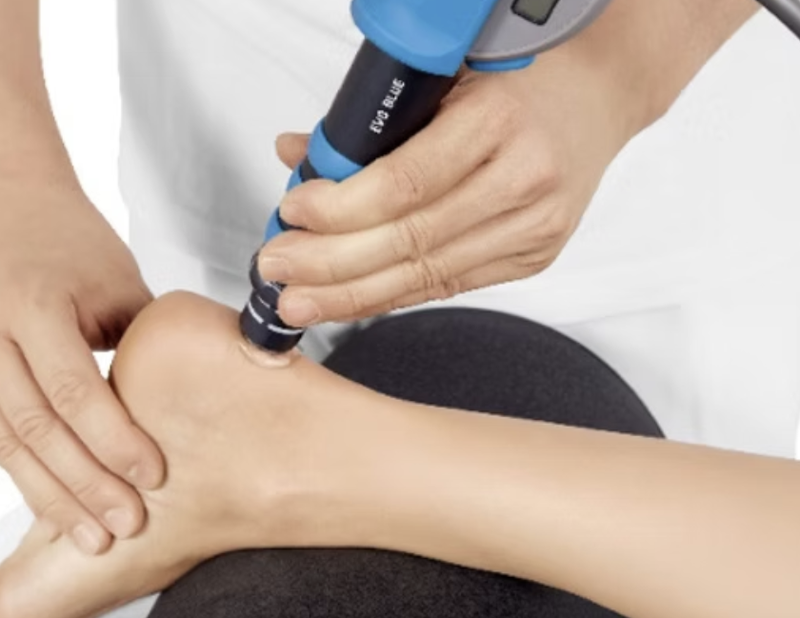
Non-invasive therapy
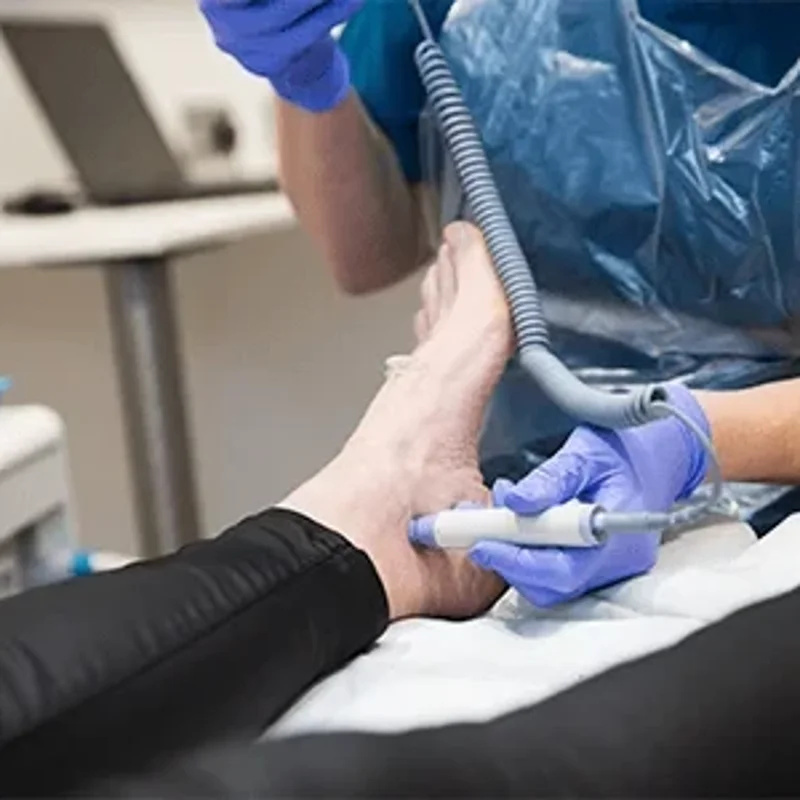
Extracorporeal shockwave therapy uses pulses of acoustic energy directed towards a painful soft-tissue area. It may be an option for selected persistent problems, including plantar heel pain and some tendon conditions.
What happens
The podiatrist reviews your symptoms, previous treatment and suitability for ESWT. A handheld applicator is placed over the treatment area to deliver pulses.
Aftercare
You may experience temporary discomfort or soreness. The number of sessions and any recommended exercises or changes in activity are discussed as part of the treatment plan. Results vary.
Book an appointment →
Targeted treatment where suitable
The clinic lists targeted injections as an option for selected musculoskeletal and joint conditions when clinically appropriate.
What happens
A clinical review considers the diagnosis, medicines, allergies, other health conditions and previous treatments. The practitioner discusses the proposed injection, potential benefits, alternatives, risks and required consent.
Aftercare
The procedure and follow-up depend on the medication and condition treated. Injections are not suitable for everyone, and no particular outcome can be guaranteed.
Book an appointment →Using your original general foot-care photograph as a temporary image.
Assessment and management
Changes to toenail colour, thickness or texture are not always caused by fungus. A careful assessment helps decide whether fungal infection is likely and what treatment may be appropriate.
What happens
The nails and surrounding skin are assessed. Treatment may include reduction of thickened nail, skin-care advice, topical options and discussion of laser therapy for selected cases.
Follow-up
Improvement in the appearance of a nail may take months because healthy nail must grow out. Further assessment or testing may be recommended if the diagnosis is uncertain.
Book an appointment →Contact our friendly team to arrange a podiatry appointment and discuss which treatment may be suitable for you.

Four complimentary dressing changes
One Full complimentary dressing Package


Forefoot Pain
Heel Pain
Arch Pain
Ankle Pain
Knee Pain
Hip Pain
Back Pain
Improve Balance
Shockwave therapy is a safe, non-invasive treatment for injured soft tissues, especially chronic conditions affecting tendons and the plantar fascia. It offers an alternative to surgery and steroid injections, effectively stimulating the healing process and reducing pain.
Extracorporeal Shockwave Therapy (ESWT) is effective for conditions such as plantar fasciitis and tendon issues involving the Achilles, hamstrings, patellar tendons, glutes, etc.
Used for:

Hyaluronic acid is naturally found in:
Synovial fluid (joint fluid)
Cartilage
Connective tissue
It acts as a lubricant and shock absorber inside joints.